

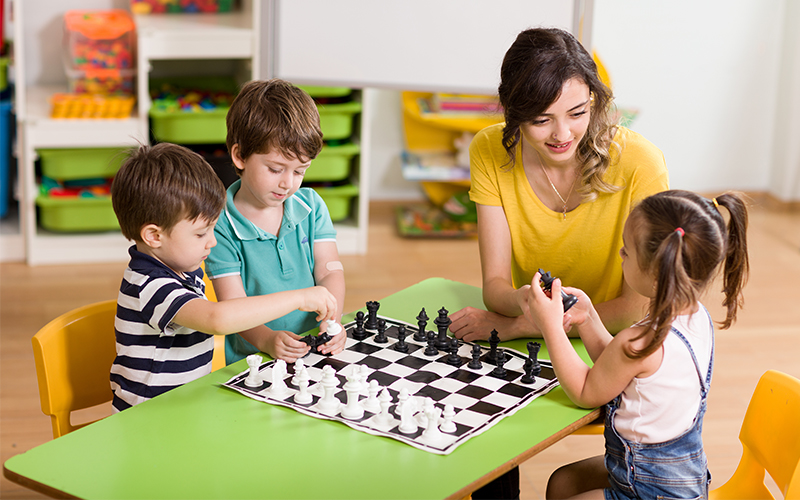
Middle school years shape habits of thought. Young learners face new choices every day. Teachers design tasks that guide careful thinking. Strong decision habits grow through guided experience. Creative exercises make learning active and memorable. The class explores ideas through discussion and reflection. Thoughtful activities build patience and focus. The goal reaches beyond correct answers. Students learn how to think before acting. This process supports critical thinking activities for 7th grade students in meaningful classroom practice. Schools sometimes adopt digital learning missions from Mission.IO that frame decisions inside engaging story driven challenges.
Role Play Scenarios Encourage Thoughtful Choices
Role play invites imagination and reasoning together. Students receive a situation with several possible actions. The classroom becomes a small decision laboratory. Groups discuss possible responses and likely results. Each learner must explain personal reasoning clearly. So, discussion builds both listening and judgment skills. Some scenarios describe school dilemmas or community problems that require balanced thinking and respectful viewpoints. The activity slows quick reactions and promotes careful evaluation. Students learn that choices shape consequences. Teachers guide reflection after each role play session. The conversation highlights strong reasoning and thoughtful alternatives. Sometimes digital simulations inspired by Mission.IO missions help learners explore consequences within story-based environments that encourage reflective choices.
Debate Activities Build Logical Reasoning
Each team researches evidence and prepares arguments. The class listens and evaluates each viewpoint. Now learners notice how facts support strong decisions. Short preparation sessions encourage organized reasoning. Each speaker explains ideas with clarity and confidence. Structured debate rules maintain fairness and focus. Sometimes a quiet student finds confidence through prepared arguments. Debate also reveals the complexity of real issues. Students learn that thoughtful choices require patience and evidence. The classroom environment values reasoning rather than speed.
Problem Solving Challenges Promote Strategic Thinking
Problem solving games turn learning into exploration. Students receive puzzles or real-life classroom challenges. Groups discuss possible solutions and test ideas together. So, collaboration becomes part of the decision process. Each student contributes insight and observation. Teachers design scenarios with multiple possible solutions that require discussion patience and thoughtful evaluation. Some challenges involve resource limits or time pressure.
Reflection Journals Strengthen Personal Judgment
Reflection turns activity into lasting understanding. Students write about decisions made during lessons. Each entry describes reasoning and possible alternatives. The process encourages honest evaluation and calm thinking. Sometimes students discover stronger choices after reflection. Teachers read journals and guide deeper insight. Written reflection also supports language and reasoning skills. Students learn that every decision deserves thoughtful review.
Conclusion
Decision making develops through steady practice and guidance. Creative exercises help students explore choices safely. Problem solving activities build patience and collaboration. Story missions from Mission.IO add excitement and consequence awareness. Reflection journals deepen understanding and responsibility.