

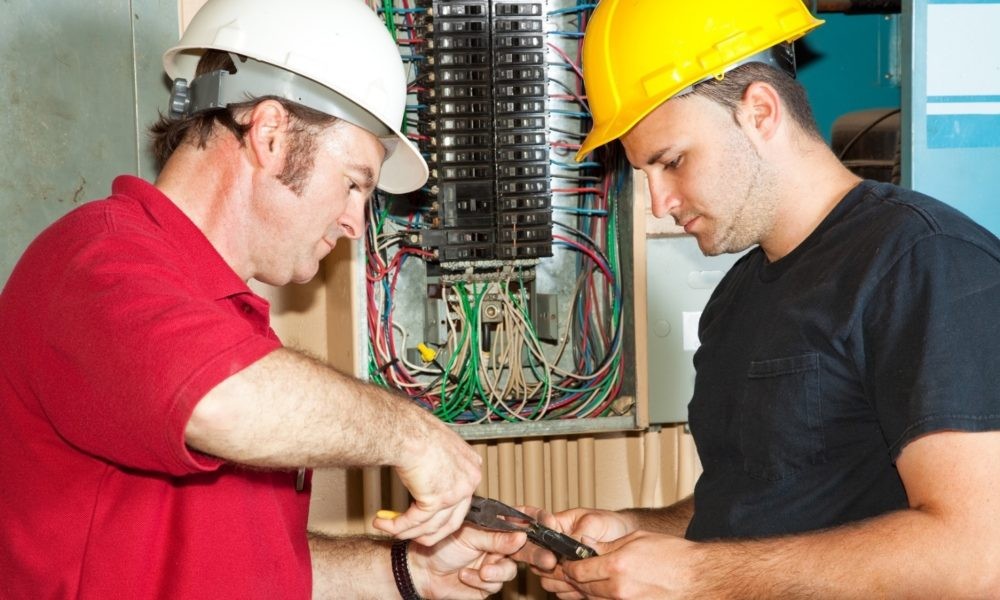
If you have ever wondered who is legally responsible for the electrical systems in the building where you work, the answer begins with a licensed electrician Singapore regulations require for all qualifying installations. Not a general contractor. Not a handyman with a toolbox and some experience. A licensed professional, credentialled by the Energy Market Authority (EMA) and bound by the full weight of Singapore’s Electricity Act. The distinction matters more than most building owners realise, and the consequences of getting it wrong are not theoretical.
The Licensing System and What It Actually Means
Singapore operates one of the most clearly defined electrical licensing frameworks in the region. The EMA is responsible for issuing licences to electrical workers, and it does so through a structured classification system that reflects both the scope of work a professional is qualified to undertake and the load limits within which they are permitted to operate.
There are three licence classes for Licensed Electrical Workers (LEWs):
Grade 7 (Electrician Licence)
Authorises the holder to handle electrical installations up to 1,000V and 45 kVA, and to supervise work up to 500 kVA under qualified oversight.
Grade 8 (Electrical Technician Licence)
Extends the scope to installations up to 1,000V and 500 kVA, with design and submission rights for systems up to 150 kVA.
Grade 9 (Electrical Engineer Licence)
The highest classification, covering design, installation, and operational responsibility for high-voltage systems, with voltage limits ranging from 1 kV to 400 kV depending on the specific licence.
The EMA states clearly in its regulatory guidance: “Only a Licensed Electrical Worker is authorised to carry out electrical work on electrical installations as defined under the Electricity Act.” This is the legal baseline. Anything below it is non-compliant, regardless of the technical competence of the individual performing the work.
What a Licensed Singapore Electrician Is Qualified to Do
The scope of work permitted to a licensed Singapore electrician is broad but precisely delineated. It is not simply about fixing circuits or replacing components. An LEW carries legal authority to design electrical systems, submit technical plans to the EMA for approval, test and certify installations, and take formal charge of the ongoing operation of electrical systems in commercial and industrial premises.
In practical terms, this means that a licensed electrical worker in Singapore may be called upon to:
- Design and commission new electrical installations for office buildings, shopping malls, and factories
- Apply for and manage electrical installation licences with the EMA on behalf of building owners
- Supervise and certify electrical work carried out by other workers on site
- Conduct periodic inspection and testing to confirm compliance with Singapore Standard SS 638
- Manage planned power shutdowns, including the sequencing of switching operations
- Submit applications to the EMA for load increases, modifications, or licence renewals
- Respond to and investigate electrical faults, incidents, or failures
This is a significantly more expansive role than the public image of an electrician often suggests. The LEW Singapore framework is built around the idea that managing electrical infrastructure at scale requires not just technical skill but legal accountability.
Why the Certification Requirements Exist
There is a logic to the strictness of Singapore’s licensing regime that becomes obvious when you consider the stakes involved. A commercial electrical installation in a large building carries hundreds of kilowatts of load, serves thousands of occupants, and operates continuously for years on end. The failure modes, electrical fires, arc flash events, equipment destruction, prolonged outages, are not merely inconvenient. They are dangerous, and they are expensive.
The EMA’s licensing requirements exist as a form of systemic risk management. By ensuring that only qualified, accredited professionals can legally take charge of high-load installations, the framework creates a layer of accountability that protects building owners, tenants, insurers, and the broader public. When something goes wrong in a building with a properly licensed electrical worker in charge, there is a clear chain of responsibility. When something goes wrong in a building without one, the legal and financial consequences fall directly on the owner.
Engaging a Licensed Electrician: What Building Owners Should Know
For building owners and facility managers navigating this landscape, the practical implications are worth understanding in some detail. The requirement to engage a certified electrician Singapore regulations mandate is not triggered only at the point of new construction. It applies throughout the life of the building.
Key situations that require the involvement of a licensed electrical worker include:
- Commissioning a new electrical installation or taking over a completed building
- Applying for an electrical installation licence or renewing an existing one
- Making any significant modification to an existing electrical system
- Conducting periodic inspections required under EMA guidelines
- Managing any planned shutdown or switching operation on a high-voltage system
- Investigating or responding to an electrical fault, fire, or incident on the premises
Failing to engage appropriately licensed professionals in any of these scenarios is not merely a regulatory oversight. It is a direct violation of the Electricity Act, and one that carries penalties including fines and criminal liability for responsible parties.
The Professional Standard Behind the Licence
What sets a licensed electrical worker apart is not simply the possession of a certificate. It is the combination of technical training, examined competence, and ongoing professional accountability that the licence represents. LEWs are required to keep their knowledge current, maintain their registration with the EMA, and operate within the specific conditions attached to their licence grade.
For Singapore’s commercial and industrial sector, the licensed electrician singapore framework is the foundation on which safe, compliant, and reliable electrical infrastructure is built.