

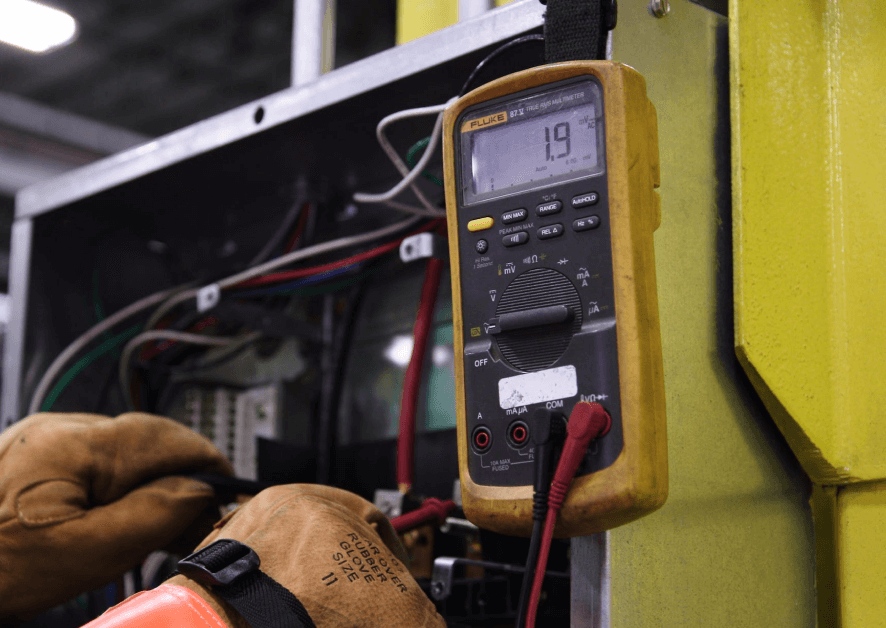
An electrical installation license serves as the legal gateway to performing electrical work in Singapore, a credential that distinguishes qualified professionals from those who merely possess rudimentary knowledge of wiring and circuits. The licensing system, administered by the Energy Market Authority, emerged from a recognition that electrical work demands technical competence, accountability, and adherence to rigorous standards that protect both workers and the public from the inherent dangers of electricity.
The Historical Necessity of Electrical Licensing
Singapore’s journey towards comprehensive electrical regulation began during the post-independence era, when rapid development created urgent need for electrical infrastructure. As the nation transformed from a trading port into a modern city-state, electrical systems grew exponentially in complexity. Early years witnessed numerous incidents attributable to improper installations and employment of unqualified individuals.
These circumstances compelled authorities to establish a formal licensing regime. The Electricity Act mandates that only individuals holding valid electrical installation licences may legally perform such work. This legislative framework reflects a fundamental principle: electrical work, when executed improperly, kills people and destroys property with terrifying efficiency.
Categories of Electrical Installation Licences
The licensing structure for electrical installation work in Singapore recognises different levels of qualification and scope of practice. The Energy Market Authority issues several categories of licences, each corresponding to specific competencies:
- Licensed Electrical Worker (LEW)for general electrical installation work
- Licensed Cable Workerfor cable jointing and termination
- Licensed Electrical Technicianfor testing and commissioning
- Licensed Electrical Engineerfor design and supervisory roles
Each electrical installation licence category requires distinct qualifications, experience, and examination performance. This stratified approach ensures that individuals undertake only work commensurate with their demonstrated competence, whilst providing clear career progression pathways.
Requirements for Obtaining an Installation Licence
The path to acquiring an electrical installation licence demands substantial commitment. The Energy Market Authority requires:
- Educational qualificationsin electrical engineering or related technical disciplines
- Practical experiencegained through supervised work under licensed practitioners
- Successful examinationdemonstrating theoretical knowledge and practical competence
- Understanding of regulationsincluding the Electricity Act and associated safety codes
- Continuing educationto maintain licence validity
According to the Electricity Act, applicants must satisfy the Energy Market Authority that they possess the necessary knowledge, skill, and experience to carry out electrical installation work safely and competently. This assessment process protects consumers whilst maintaining professional standards.
The Legal Imperatives of Proper Licensing
Singapore’s regulatory framework treats unlicensed electrical work with appropriate severity. The Electricity Act stipulates significant penalties for individuals who perform electrical installation work without proper licensing, including substantial fines and potential imprisonment.
Property owners who engage unlicensed individuals also face consequences. Insurance policies typically exclude coverage for damage resulting from work performed by unlicensed practitioners. Moreover, electrical installations completed without proper licensing certification may not pass regulatory inspections, creating complications during property transactions.
Why Installation Licence Verification Matters
For property owners, building managers, and developers, verification of valid electrical installation licences represents critical due diligence. The Energy Market Authority maintains publicly accessible registries allowing verification of licence status before work commences. This transparency protects consumers, maintains professional accountability, and deters fraudulent practice.
Beyond legal compliance, licence verification provides assurance regarding competence and safety. Licensed practitioners understand load calculations, protective device selection, earthing requirements, and the technical considerations that ensure electrical systems operate safely.
The Renewal and Continuing Education Requirements
Electrical installation licences in Singapore require periodic renewal, typically every three years. This renewal process includes continuing education requirements, ensuring that licensed practitioners remain current with technological advances and updated safety standards.
The Energy Market Authority recognises that electrical technology progresses rapidly. Installation methods that sufficed decades ago may prove inadequate with modern equipment. Smart home systems, renewable energy integration, and energy-efficient technologies all require updated knowledge. The continuing education mandate ensures that licence holders maintain relevance.
The Economic Value of Proper Licensing
From an economic perspective, the licensing system creates market stability and consumer confidence. Property owners can engage electrical contractors knowing that licensed individuals possess verified competence. This assurance facilitates commerce, supports property values, and reduces liability risks.
The cost of engaging properly licensed practitioners represents prudent investment. The potential consequences of electrical failure, whether fire, electrocution, or system damage, far exceed any savings from employing unlicensed labour. Insurance implications alone justify the expense of proper licensing compliance.
Professional Standards for Public Safety
Singapore’s electrical licensing regime exemplifies how regulation serves public welfare without stifling enterprise. The system balances accessibility with rigour, maintaining standards that protect public safety. This equilibrium has contributed to Singapore’s enviable safety record in electrical matters.
The framework acknowledges that electricity, whilst essential to modern life, remains inherently dangerous. Respect for this danger, manifested through professional qualifications and regulatory oversight, protects lives and property whilst enabling the electrical infrastructure upon which contemporary society depends.
Conclusion: Credentials That Protect Communities
The evolution of Singapore’s electrical licensing system traces a path from reactive responses to preventable tragedies towards proactive protection through professional standards. Whether undertaking residential renovations, commercial developments, or industrial installations, engagement of properly credentialed professionals ensures safety, legal compliance, and quality outcomes. The requirement for a valid electrical installation license represents not bureaucratic impediment but essential protection for all who live and work in electrically powered environments.